The Rupununi Uprising and the Cost of Betrayal - Three Lessons from the Rupununi Uprising
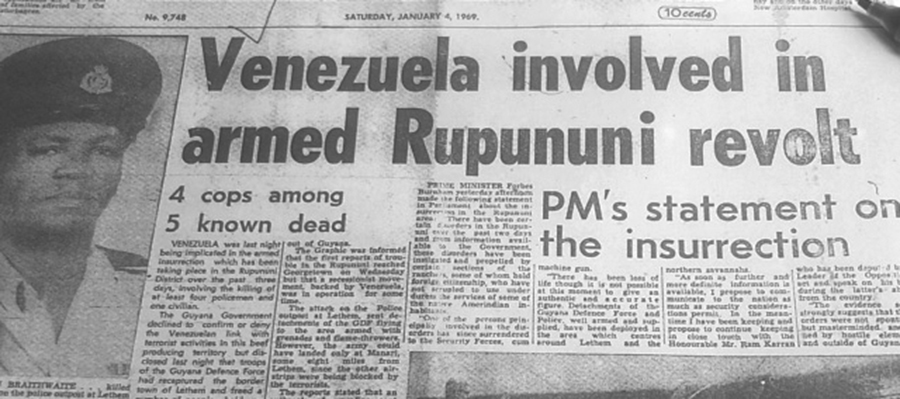
The Rupununi Uprising of January 1969 stands as a tragic warning in Guyana’s history. It was an armed insurrection that led to the loss of innocent lives, threatened national unity, and exposed how fragile sovereignty can be when ambition anda fear override loyalty. From this episode, three hard lessons emerge for defending Guyana.
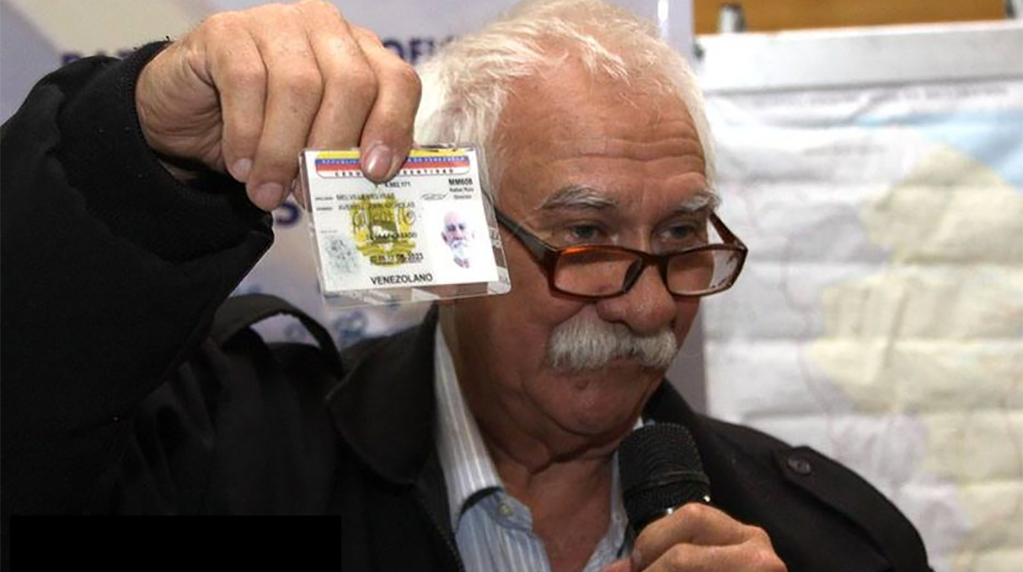
John Melville, Failed-Rebellion Organiser
First, weakness disguised as leadership can cause real harm. John Melville, one of the main figures behind the uprising, was not a principled freedom fighter but a fearful elite unwilling to accept national authority. Rather than engage the democratic process, he chose rebellion. His actions were marked not by courage, but by recklessness, mobilizing others into violence while lacking the resolve to face the consequences himself.
Second, betrayal often collapses under pressure. When the uprising failed, Melville did not stand with those he helped endanger. He fled Guyana, abandoning the region and the people caught in the violence. This retreat exposed the emptiness of his cause and the personal cowardice behind it. The loss of life that followed was the price paid by others, not by those who orchestrated the chaos.
Third, internal instability invites external exploitation. By seeking refuge and support in Venezuela, the rebel leadership demonstrated how weak internal actors can become tools for foreign interests hostile to Guyana’s sovereignty. Division creates openings that adversaries are quick to exploit.
The Rupununi Uprising reminds us that defending Guyana requires unity, strength of institutions, and vigilance against those whose fear and self-interest place the nation at risk. History is clear: true leadership stands its ground, traitors run. Essequibo belongs to Guyana